當期展覽
Sat, Jun 6, 2026 - Sun, Nov 8
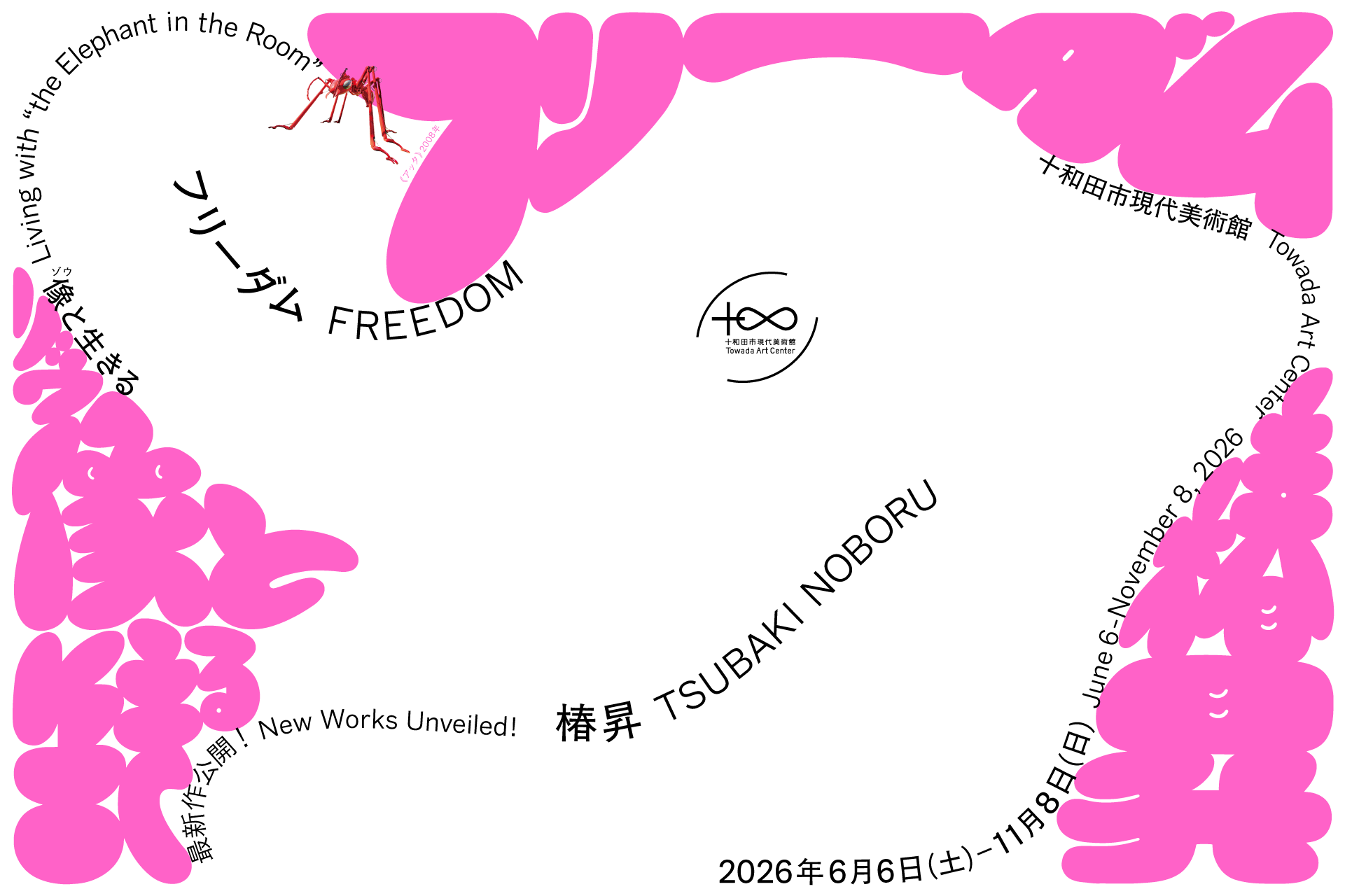
The Towada Art Center is pleased to present a solo exhibition by contemporary artist Tsubaki Noboru, titled FREEDOM—Living with “the Elephant in the Room”, from June 6 to November 8.
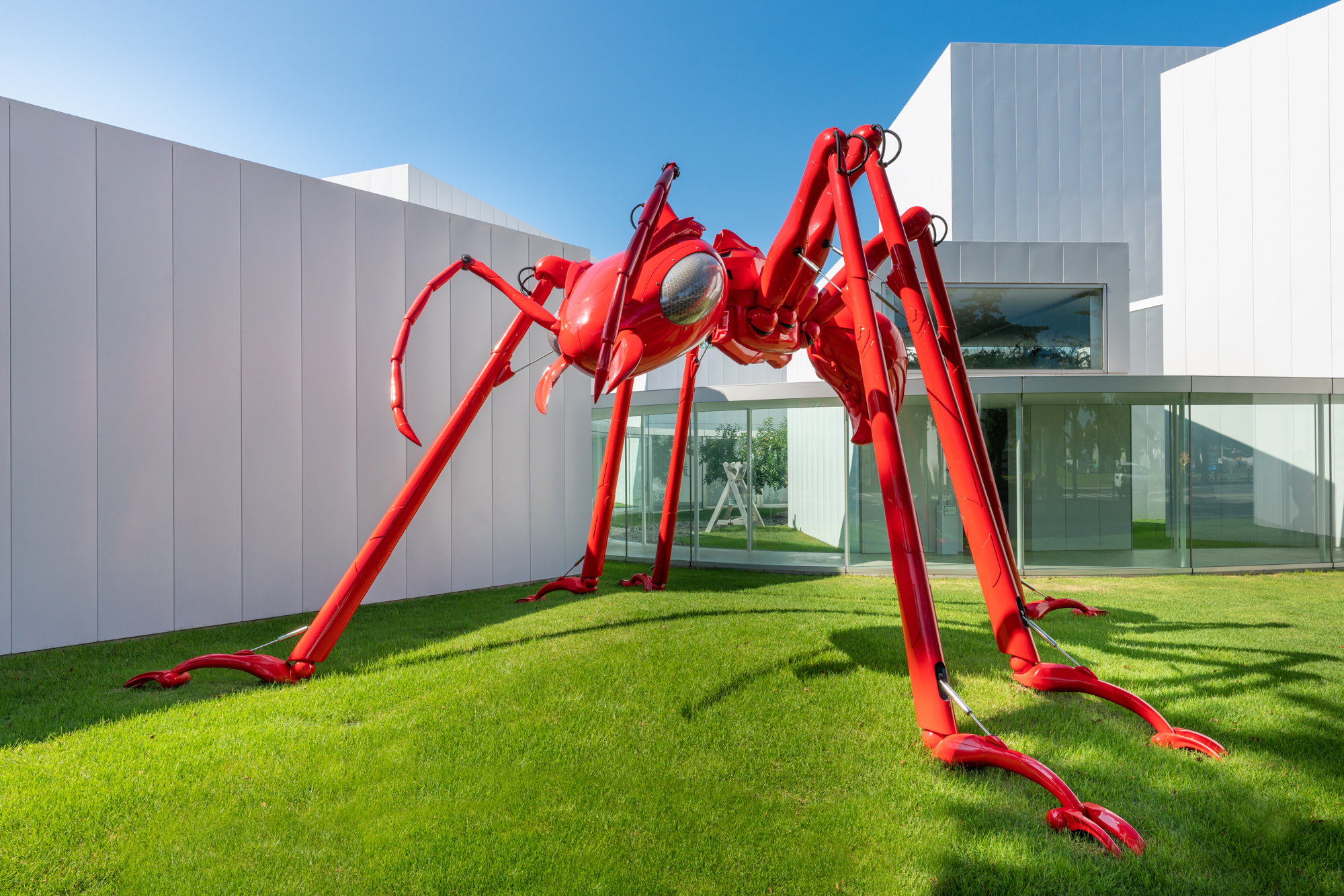
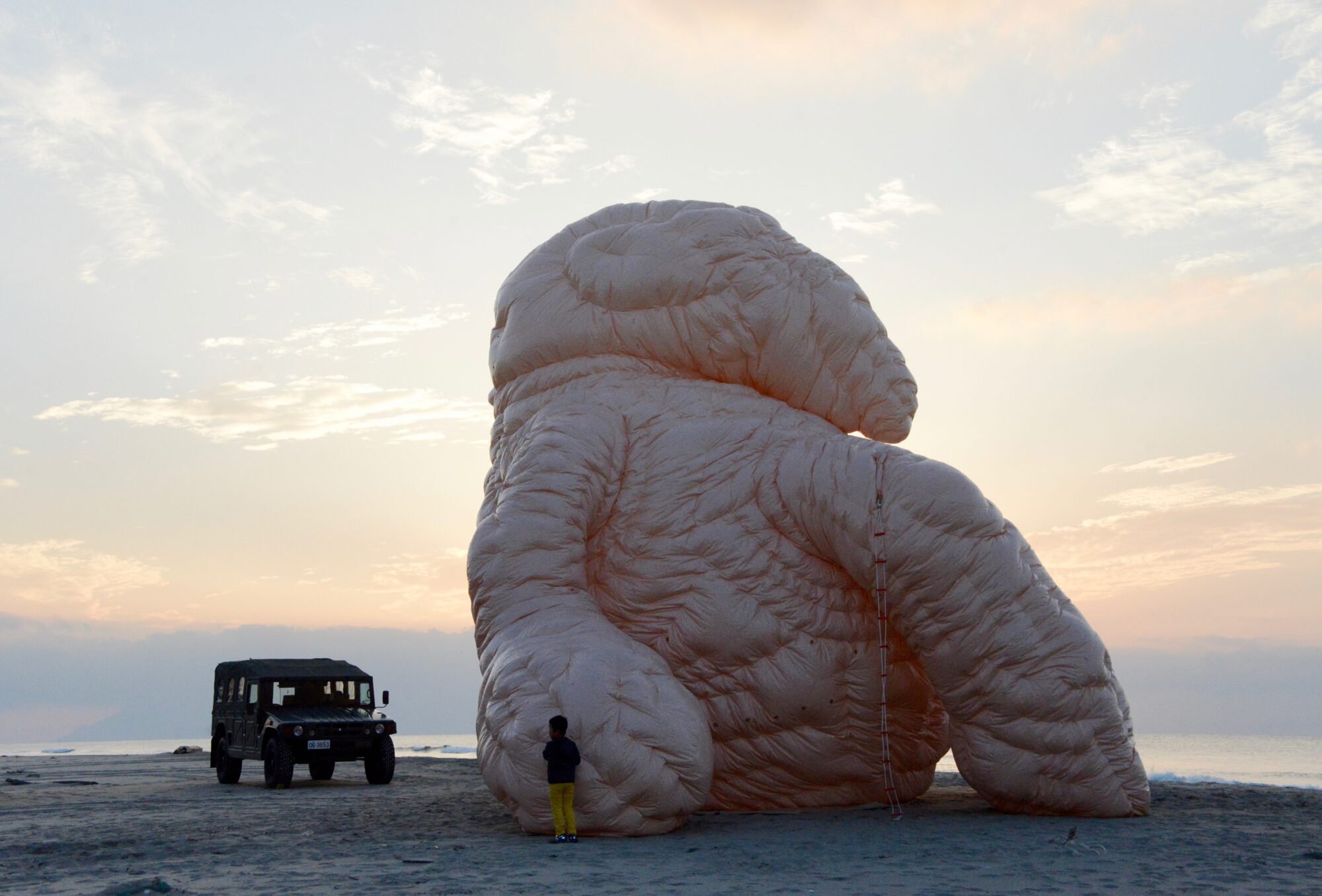
Deploying models of colossal life forms, Tsubaki interrogates the ways of the modern capitalist world in an expression that relentlessly exposes the nature of human desires and contradictions. His arresting, giant crimson-red robotic ant aTTA (2008) installed in the TAC grounds—the artist’s only work on permanent display in his home country—remains a dramatic drawcard for museum visitors.
To date Tsubaki has used his huge creatures to explore a range of social issues from destruction of the environment, to growing economic disparity. In today’s world we learn of these issues via the daily news or on social media, accompanied by an endless stream of images (像 zo). Yet how many opportunities do we actually have to think deeply about these issues, and exchange views on them with others?
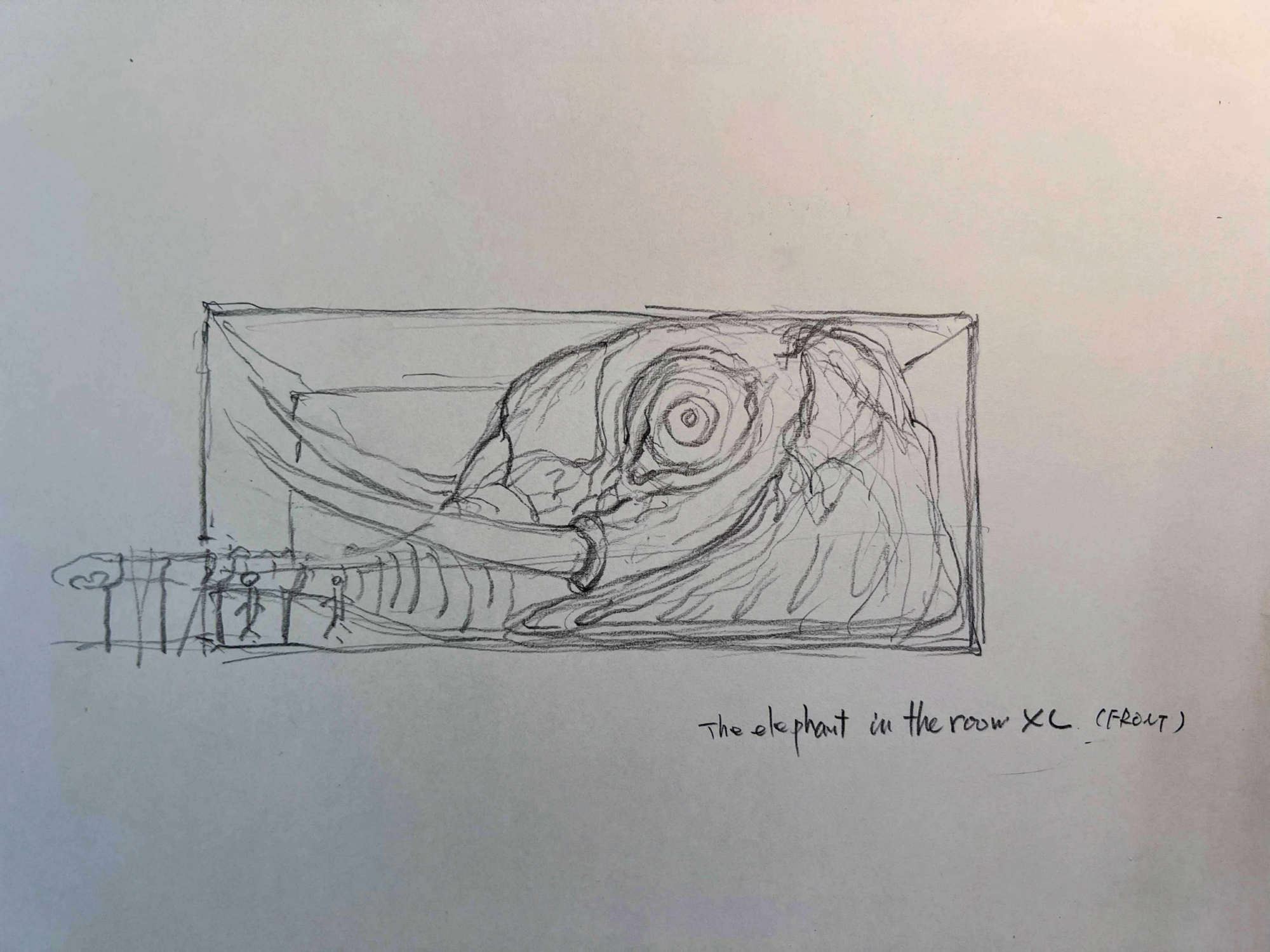
The idiomatic phrase “the elephant (also zo) in the room” refers to those occasions when everyone is aware of a large, awkward problem, or fact deemed taboo, but deliberately avoids mentioning it. At first such a situation may seem like a challenge to overcome. But the reality is that in a sense, such irrational, slightly dubious customs and norms are the very things that maintain our social order. So what does it mean to have freedom in a society where this pressure to conform is inescapable?
In this exhibition, an artist with a career spanning some four decades launches a fresh inquiry into the day-to-day thinking and actions that demonstrate our human tendency to ignore the true state of things, primarily via renditions of the elephant, our planet’s largest land mammal, made for this show.
How exactly are we to live in this world? Don’t miss this opportunity to join artist Tsubaki Noboru as he explores possible answers.
Statement by Tsubaki Noboru
The knotty question of whether free will can exist in the face of determinism; and the theory that time does not exist and change is the only constant, are also linked to the question of why artists keep making works that unfold chronologically. It seems funny that artists behave as if they were free, yet in their creation continue to be haunted by the most basic evolutionary theory. An idea is born, a maquette is born, a completed work is born. On reflection, if this flow is unconsciously leading us into the realm of mediocrity, then surely the realm of art must also be rather boring.
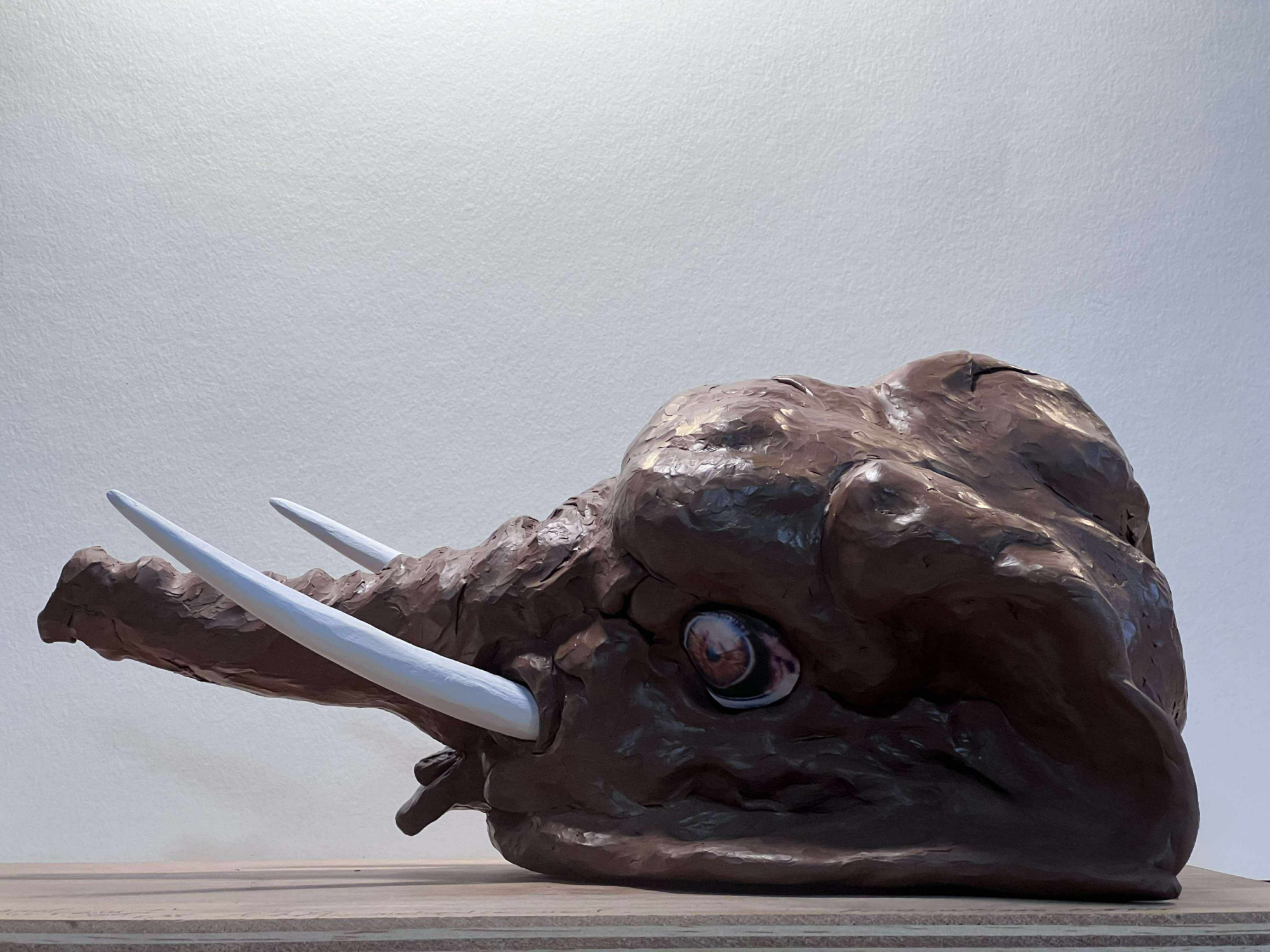
One afternoon while pondering this, a whisper descended from the elephant, largest land mammal on the planet, and a mahout of the Mughal Empire. Wouldn’t it be amazing to have two elephant heads lying around in that space…Then the curator of this exhibition, Nagao-san, informed me that neuroscientist Mogi Kenichiro employed the phrase “the elephant in the room” in his text about my work at a previous exhibition in Taiwan.* The whole thing struck me as a brilliant coincidence (or rather, I had just forgotten…) also because a genetic data company had found in my ancestry people who had moved to Siberia to hunt mammoths.
I the mahout shall lead aTTA on parade. It is great to finally be back here again.
*Slaying Monsters, Kuandu Biennale (Taiwan, 2016)
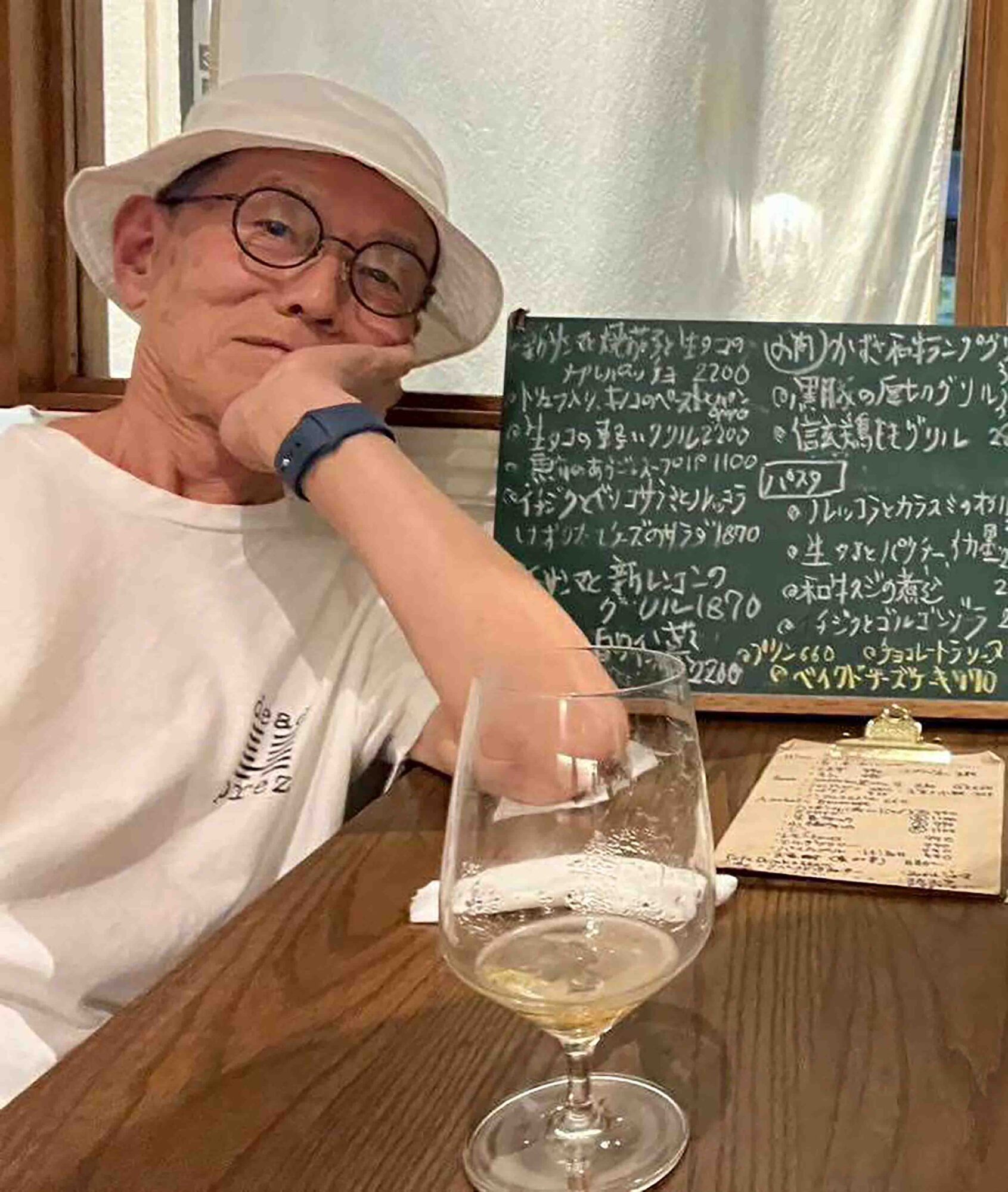
Tsubaki Noboru
Director of ARTOTHÈQUE. Professor, Department of Fine and Applied Arts,
Kyoto University of the Arts. Born 1953 in Kyoto, Japan. Tsubaki received his MFA from Kyoto City University of Arts. He shot to international acclaim with his large-scale sculpture FRESH GASOLINE at “Against Nature: Japanese Art in the Eighties” (San Francisco Museum of Modern Art, et al., 1989–91). His works were also featured in Aperto ’93 at the 45th Venice Biennale (Italy, 1993), and he presented Insect World at Yokohama Triennale 2001 (Kanagawa, Japan). Among his solo exhibitions are “Noboru Tsubaki” (Museum of Contemporary Art San Diego, US, 1992), “UN Boy” (Art Tower Mito, Ibaraki, Japan, 2003), “Noboru Tsubaki: 2004-2009 Gold Black White” (The National Museum of Modern Art, Kyoto, 2009), and “Prehistoric PH” (Kirishima Open-Air Museum, Kagoshima, Japan, 2012). Tsubaki served as artistic director of the “Sakate Port and Hishio no Sato Project” for Setouchi Triennale 2013 (Kagawa, Japan), Aomori Triennale 2017, and Artists’ Fair Kyoto (2018–).
https://www.metapolice.net/
aTTA is on display outdoors as part of the permanent collection of the Towada Art Center.
標題
日期
Hours
9:00–17:00 (Last admission 30 minutes before closing)
Closed
Mondays
(except for National Holidays, in which case the museum is open on the holiday
and closed the following Tuesday)
Open on August 3 and August 10.
Location
Towada Art Center
Admission
1,800 yen
200 yen discount for groups of 20 or more | Under 18: free
Organized by
Towada Art Center
Endorsed by
Asahi Broadcasting Aomori Co., Ltd., Aomori Television Broadcasting Co., Ltd.,
Aomori Broadcasting Cooperation, FM Aomori, The Daily-Tohoku Shimbun Inc.,
The To-o Nippo Press & Towada City Board of Education
Curator
Nagao Eriko
沒有活動